
Focus On

UN Geneva Press Briefing: UN Women, WFP, WHO - 23.10.26
🎥 Sudan: Women and girls one year after the fall of El Fasher; increasing drone attacks across the country ; 🎥 DRC: Ebola spreads to eighth DRC province as WFP delivers food, builds treatment centres and keeps supplies moving;🎥 Update on Ebola (Bundibugyo Virus Disease);🎥 Announcements.

UN Secretary-General António Guterres' Video Message for United Nations Day
United Nations Day, on 24 October, marks the anniversary of the entry into force in 1945 of the UN Charter. With the ratification of this founding document by the majority of its signatories, including the five permanent members of the Security Council, the United Nations officially came into being.

UN Geneva Press Briefing: UNHCR, UNCTAD, WMO, OCHA, UNICEF, WHO - 20.10.26
🎥 Alarming humanitarian situation in Afghanistan ahead of the lean season; 🎥 Deteriorating situation in Taiz, Yemen; 🎥 Inequalities in non-communicable diseases; 🎥 Ninth World Investment Forum; 🎥 Announcements.

Press Conference: Secretariat of the Convention on International Trade in Endangered Species of Wild Fauna and Flora (CITES) - 20.10.2026
Wildlife trade and conservation policy discussions at the 81st meeting of the CITES Standing Committee (SC81)Speakers: Ivonne Higuero, Secretary-General, CITES Secretariat - Sofie Flensborg, Chief, Legal Unit, CITES Secretariat - Salehin Khan, Programme Officer, Outreach and Projects Unit, CITES Secretariat
Happening at UN Geneva
Committee on the Elimination of Discrimination against Women (CEDAW)

The Committee on the Elimination of Discrimination against Women (CEDAW) is the body of independent experts that monitors implementation of the Convention on the Elimination of All Forms of Discrimination against Women. The CEDAW Committee consists of 23 experts on women's rights from around the world.
The CEDAW treaty is a tool that helps women around the world to bring about change in their daily life. In countries that have ratified the treaty, CEDAW has proved invaluable in opposing the effects of discrimination, which include violence, poverty, and lack of legal protections, along with the denial of inheritance, property rights, and access to credit.
Human Rights Committee (CCPR) - 146th Session
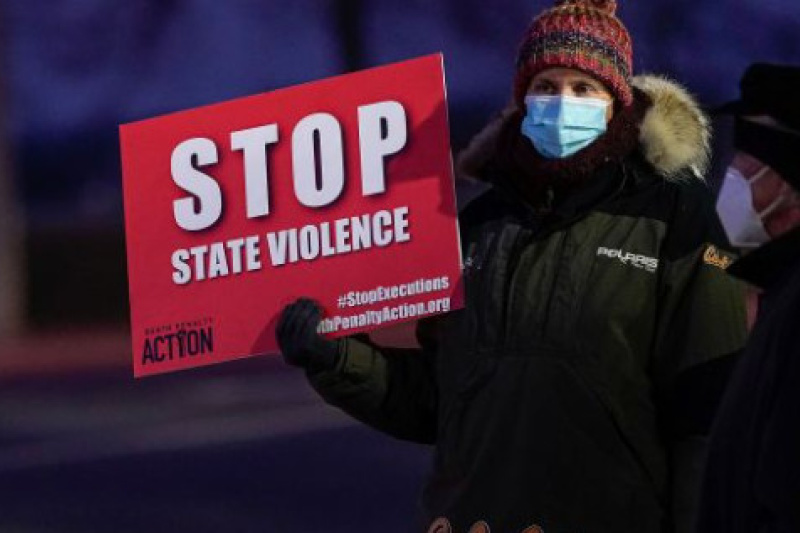
The Human Rights Committee is the body of independent experts that monitors implementation of the International Covenant on Civil and Political Rights by its States parties.
The Committee's work promotes the enjoyment of civil and political rights, resulting in numerous changes of law, policy and practice. As such, it has improved the lives of individuals in all parts of the world. It continues to strive to ensure all the civil and political rights guaranteed by the Covenant can be enjoyed in full and without discrimination, by all people.